

Offshore sport fishing looks glamorous on highlight reels, but what you do not see is the grit. The Taylor Jean crew lives where skill meets the sea’s mood swings. They plan for months so six hours of lines in look effortless, from fresh leaders and tuned teasers to fuel, safety, and sleep. The story starts with passion: a freshwater angler who solved seasickness with Bonine, then stared up at the Milky Way 80 miles out and never looked back. That is the first hook of deep-sea fishing: silence, stars, and then the sudden roar of life when a reel sings. It is a mix of calm and chaos you cannot mimic on land, and it keeps people coming back long after logic says go home.
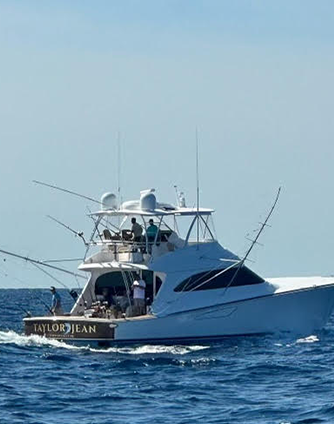
The team’s competitive rise tracks with their learning curve and their boats. There is an old debate about whether certain hulls “raise fish.” Same crew, same techniques, same spots—switch to a Viking and the hookup rate climbs. Maybe it is harmonics, prop wash, or how the hull sits in swell, but the data showed up in coolers and release flags. Upgrading is not just for vanity; it is a response to what the ocean teaches. Trim tabs, autopilot in weather, seakeepers, sonar: each tool has tradeoffs. A captain chooses when to lean on stabilization and when to hand-steer a narrow trough. If it sounds like aviation, that is the point—precision supports luck, and gear eliminates failure points so only skill remains.
 Preparation is relentless. For a White Marlin Open or Mid-Atlantic, they rig a thousand hooks, replace lines on every rod, and stage backups for everything. A single nick can end a podium fish. Weather windows dictate runs of 100 to 120 miles, timed against wind shifts and current breaks. The captain studies satellite sea-surface temperatures, chlorophyll charts, and velocity imagery; the mates build baits that swim true; the anglers rehearse communication. When the bite happens, the plan contracts to inches: rod angle, drag pressure, boat position, and the split-second call to switch baits or clear a spread. It is team sport strategy played on moving water.
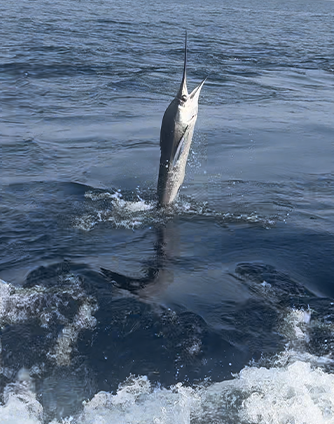
 The ocean also reminds you who is in charge. The crew shares the day a rogue wave broke over the house, flooded the cockpit, and sent a $3,000 rod into the deep. A 125,000-pound sportfisher slid down a face so fast the sonar retracted. The call was to head in; the ocean answered with a blue marlin. They fought and released it after lines out, balancing safety with execution. That is the paradox of offshore tournaments: you plan to control the uncontrollable, then choose judgment over ego in real time. The win is not always a check; sometimes it is a clean release and a safe ride home.
Camaraderie matters as much as tackle. This crew blends electricians, bankers, and builders into a unit where roles are clear and jokes are currency. They host newcomers, let guests reel mahi but keep tournament marlin to seasoned hands, and hold to traditions like jumping in after someone’s first billfish. COVID changed the scene—no tents, dinners delivered to boats—but it also sharpened their edge. With fewer distractions, they doubled down on process, found rhythm, and started stacking results. Starlink now keeps them reachable, yet they still champion the value of unplugging and looking up, not down.
The sea gives stories you cannot script: a giant loggerhead safely released thanks to a float, a famously branded dolphin spotted years past its expected life, two storms split by a midnight run. These encounters anchor why release-first ethics shape modern billfishing and why conservation and competition can align. If you are new to offshore fishing, start with their clips of a wild mid-Atlantic marlin fight, or any reel that captures prop wash exploding into color. You will see why anglers obsess over spread geometry, why some swear certain boats raise fish, and why teamwork under pressure decides everything. Offshore sport fishing is not just a sport—it is a system of preparation, respect, and courage, lived one tide at a time.